



Most outbound insurance teams think they have a call cadence. Most of them don't. Here's what a real one looks like and why it's the difference between a 15% contact rate and a 35% one.
Call cadence is one of those terms that gets thrown around constantly in outbound insurance sales without anyone stopping to define it. Agents nod along. Managers add it to onboarding decks. And then three months later, half the team is calling a new lead once on day one and never again, and nobody can figure out why contact rates are stuck in single digits.
Here's a simple definition that actually makes sense: a call cadence is your predetermined schedule for working a lead. When does the first call go out? How many times do you call on day one? How long do you wait before calling again on day two? How many total attempts before the lead moves to a different queue? A cadence answers all of those questions before a rep ever picks up the phone.
It removes the guesswork. It creates consistency across your team. And when something breaks, it gives you something concrete to audit instead of just assuming the leads are bad. If your team is calling internet leads without a defined cadence, you're not getting the contact rate those leads are capable of producing.
Why most agencies don't actually have one

When we run our secret shopper program and pull call data on agency partners, we see the same patterns over and over. A lead comes in. Someone calls it once or twice on day one. Then nothing for two days. Then one call on day four. Then it just... sits there.
That's not a cadence. That's hope. Hope is not a lead management strategy.
The agencies that blame lead quality first are almost always the ones without a real cadence in place. When you can see exactly how many times a lead was touched, at what intervals, and whether every rep is working the same process, the lead quality conversation changes pretty quickly. The problem is usually not the leads.
Under-calling is far more common than over-calling. We've seen agents make one call on day one, send a text, and consider the lead worked. We've seen others who call twice on day one and don't touch the lead again for a week. Both approaches leave significant revenue on the table.
What the data says: 7 to 9 attempts is the sweet spot
After working with outbound insurance teams at scale, the pattern is consistent: most of your contact rate is captured in the first seven dials. After that, diminishing marginal returns set in. More effort does not equal proportionally more results.
Think about it like this: if your first call produces 10 contacts, your second call might produce 8, your third 6, and so on. By the time you reach call 10 or 11, you're spending the same energy to make a fraction of the contacts. At that point, the math doesn't work unless you have very cheap or automated outreach doing the work.
Our recommended structure: 7 to 8 call attempts within the first 3 to 4 days, then keep the lead in rotation for up to 90 days (as long as you have permission to continue calling). After the initial burst, you're just looking for the right moment to catch someone.
What a real call cadence looks like in practice

Here's a framework that works for high-intent internet leads. Adjust based on lead source and intent level.
- Day 1: Immediate call within minutes of the lead arriving. A second call 30 minutes later if there is no answer. Speed to contact matters more on day one than on any other day.
- Day 1 (afternoon): One additional call if the morning attempts were unanswered. Three total calls on day one are appropriate for a fresh, high-intent lead.
- Day 2: Two calls spaced a few hours apart. Morning and afternoon work well for most contact windows.
- Day 3: Two calls. If you have not made contact by now, this is the point to introduce a text.
- Days 4 through 90: One to two calls per week. Keep the lead active, but don't chase it at the expense of working newer leads.
The text introduction matters. We close at least $50,000 in premium per month from leads that never answered a single call but responded to a text message. If you haven't worked texts into your cadence by attempt five or six, you are leaving money in the leads you've already paid for. A well-structured cadence helps, but AI call screening is making outbound harder across the board; understanding that challenge is part of building a cadence that actually reaches people.
The double tap: the fastest way to get flagged and ruin your cadence
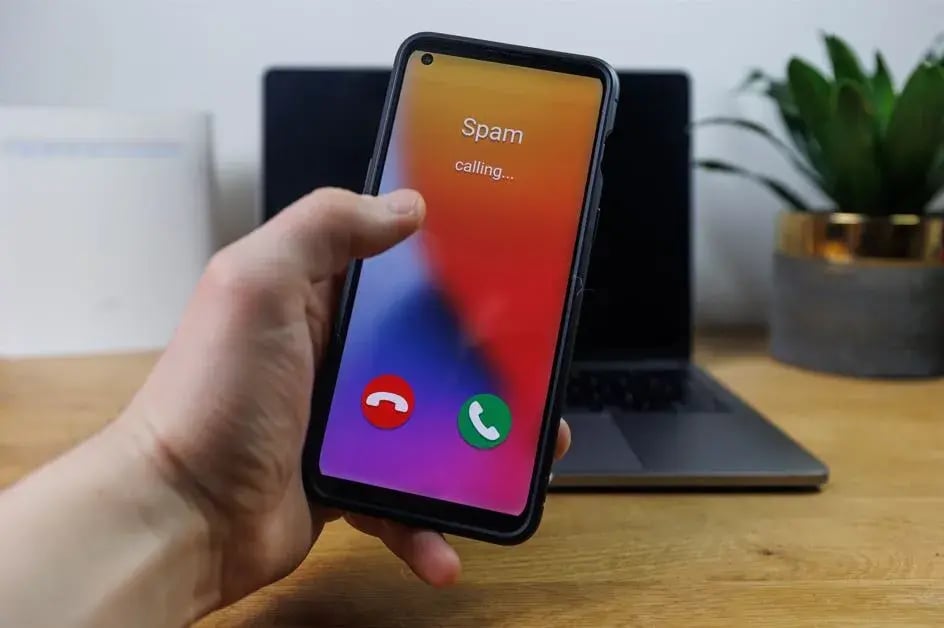
Double-tapping is calling the same number back-to-back within minutes of an unanswered call. Reps do it because it feels productive. It is not.
From the prospect's perspective, back-to-back calls from an unknown number feel like an emergency or a nuisance, neither of which puts them in a buying mood. From a technical standpoint, double-tapping is one of the fastest ways to get your outbound numbers flagged as spam. And once that happens, your entire cadence is broken regardless of how well-structured it is. A flagged number can drop your contact rate below 1% overnight. That's why spam remediation isn't optional for any team running a real outbound cadence.
If you are not actively monitoring your number reputation while running a call cadence, our complete guide to spam remediation for insurance agencies covers everything you need to know about why flags happen and how to stay ahead of them.
The rule is simple: one call, wait, then move on to the next lead. Come back on schedule. Calling more in a shorter window doesn't increase your chances of connecting. It increases your chances of getting blocked.
How your cadence affects your number reputation

Most agents think about cadence purely as a sales strategy. How many calls, how many days, how many texts before moving on. That framing is correct, but it misses a layer that matters just as much: every decision in your cadence is also a signal to carrier networks about whether your number is legitimate.
Carrier analytics engines process call data in real time. They are not just looking at whether your number has been reported as spam. They are tracking patterns across every call your number makes, and certain cadence behaviors put you on their radar fast.
Call volume per number is the first one. Pushing more than 75 outbound calls through a single number in a day is enough to draw scrutiny on most networks. If you have a team of five reps sharing two outbound lines, you are almost certainly crossing that threshold regularly. The fix is not to call less. It is to spread volume across more numbers so each one stays inside a range that looks normal to carrier systems.
Redial frequency matters beyond just double-tapping. Calling the same prospect more than three times in a single day, even with hours between attempts, registers as aggressive behavior in carrier scoring models. Your cadence should account for this explicitly. Three attempts on day one is a reasonable ceiling for a fresh lead. More than that on a single number in a single day starts working against you.
Voicemail behavior is something very few teams think about. When your dialer connects, but no agent is available in time, the call drops without anyone speaking. To a carrier, that is an abandoned call, and abandoned calls are a common signature of automated spam operations. If your power dialer is generating a meaningful number of these, your number reputation is taking damage you are not seeing directly in your metrics. Voicemails that are under 15 seconds have a similar effect. Leave a real message, identify yourself clearly, and give the prospect a reason to call back.
Call timing also feeds into this. Calls that go out before 8 am or after 8 pm generate complaints at a higher rate than calls within normal business hours. Complaints accumulate, and when enough of them are tied to a single number, the carrier acts on it. Your cadence schedule should have hard boundaries on call windows, not just because of TCPA requirements but because of what late and early calls do to your number's standing over time.
None of this means you need to dial less aggressively. It means you need to dial smarter. A well-structured cadence that distributes volume, respects timing windows, and keeps redials inside reasonable limits will outperform an undisciplined one on contact rates over any meaningful time horizon, partly because your numbers stay clean enough to actually reach people.
For a full breakdown of how cadence decisions connect to spam prevention, including the specific thresholds that matter and how to build a calling operation that stays clean at scale, see the prevention section of our spam remediation guide for insurance agencies.
Intent changes the cadence
Not every lead deserves the same cadence. The intensity of your follow-up should match the intent of the prospect.
A fresh internet lead where someone just filled out a quote request form is high intent. That gets your most aggressive cadence. Same-day contact, multiple day-one attempts, and a tight 3-to-4-day initial window.
A cold lead from a purchased list where you do not indicate active interest gets a lighter touch. Fewer calls per day, longer gaps between attempts, and more reliance on multi-channel outreach like texts and voicemails.
Aged leads, meaning leads that are more than a week old, fall in between. They're worth working, but they shouldn't compete with fresh leads for your prime calling windows. Build a separate cadence for them so your newest, highest-intent leads always get priority. If you're running a cadence on commercial lines prospects, the approach is a bit different. Our guide to acquiring commercial leads covers the multi-touch strategy for B2B outreach.
Your online presence is part of your cadence

Here's something most people don't think about when building a call cadence: what happens when your prospect Googles your number before calling back?
If they pull up a five-star Google Business profile with hundreds of reviews, they're more likely to answer or return your call. If they find nothing, or worse, a complaint, your cadence doesn't matter because they've already decided not to engage.
Your outbound presence is more than a call schedule. It's your caller ID display, your number reputation, your Google profile, and your voicemail script. Every element of what the prospect sees and hears before they pick up is part of how well your cadence actually converts. One note on cadence duration: you can keep working leads for up to 90 days as long as you maintain TCPA compliance throughout the process.
How to know if your cadence is actually being followed
Building a cadence is step one. Verifying that your team is following it is step two, and most agencies skip it entirely.
The way to check is simple: pull your lead data and look at call timestamps. How many calls did rep A make on lead X? What were the intervals between calls? Did the pattern hold across all their leads or just some of them? This is basic reporting, but it will immediately tell you whether you have a cadence or compliance problem.
A call gap chart takes this further. It shows not just when calls happened but the dead zones in between. If a rep is supposed to be running a tight three-day cadence on fresh leads but you see four-hour gaps in their calling activity during prime windows, you know exactly where the breakdown is happening.
Measure the time between each step in the cadence. Log it. Review it. The agencies that do this consistently are the ones that don't blame lead quality when contact rates drop, because they already know the real cause. Cadence compliance is a management responsibility. What your sales manager should be doing week to week includes verifying that the call cadence is being followed across the whole team.
The one mindset shift that changes how you build a cadence
Think about yourself as a consumer for a moment. If someone called you ten times in a single day, would you want to talk to them? Would you respect their persistence, or would you block the number and move on with your life?
The best cadences are built around how prospects want to be communicated with, not around what feels like maximum effort to the salesperson. Persistence matters. Harassment does not. The line between the two is a schedule you've thought through in advance.
Seven to nine well-timed, well-spaced calls over three to four days, followed by a text, followed by periodic follow-up for up to 90 days, is a cadence that respects the prospect's time while giving you every reasonable opportunity to make contact. That's the standard worth building toward.
If your numbers have been taking a hit while you work through a cadence overhaul, our complete guide to spam remediation for insurance agencies covers how to check your number status, remove existing flags, and build the monitoring habits that keep them clean going forward.
If you want to talk through how your current cadence compares to what's working for top-producing outbound teams, or if you need the lead infrastructure to support a real cadence, reach out to the Next Call Club team. We've been in the trenches on this at scale, and we can show you exactly where the gaps are.
This blog is a collaborative piece by:







Leave a Reply